Johnian magazine issue 55, spring 2026
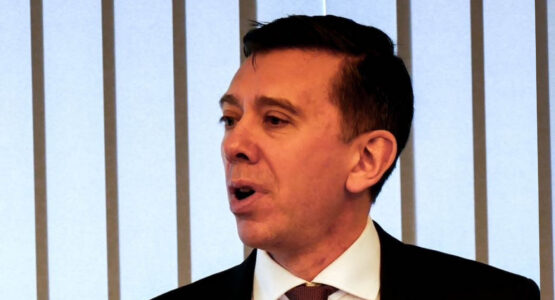
In a nutshell: Brian Perkins, CEO of Budweiser Brewing Group UK and Ireland
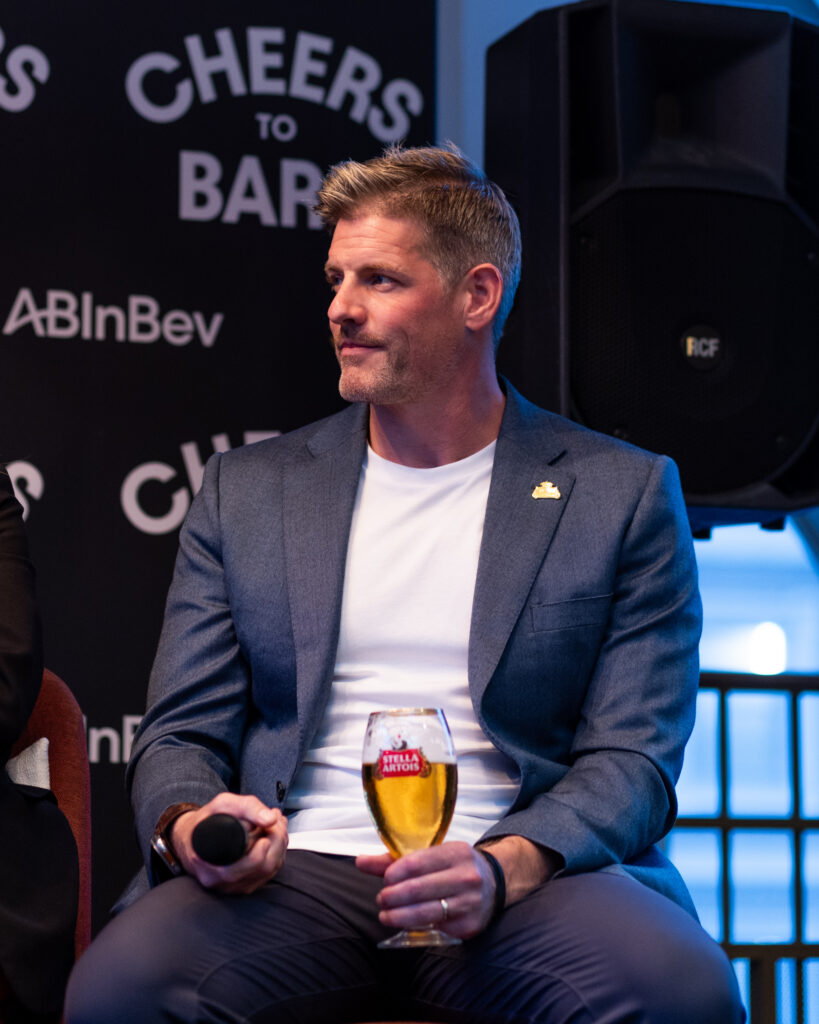
Brian Perkins (2001) is the President of AB InBev, West Europe, and the CEO of Budweiser Brewing Group UK and Ireland. He reflects here on what it takes to be a leader and the future of the drinks industry.
How did you get into the drinks industry and what was your journey towards your current role?
Almost all of the best moments of my life have happened in pubs: great conversations with friends, nights full of laughter, and some of the most meaningful conversations I’ve had with my dad. So, gravitating towards the drinks industry felt fairly natural. Early on, I was fascinated by consumer brands and how people connect with them. I used to wander around supermarkets trying to understand why products were presented the way they were, and why some brands resonated more than others. When I had the chance to combine that curiosity with an industry I genuinely loved, it felt like a good place to start. I joined AB InBev 15 years ago and have been fortunate to work across geographies and functions, from marketing and innovation to sales and general management. My current position is really the accumulation of those experiences.
What attributes make a successful business leader?
Judgment is probably the most important – making decisions with incomplete information and standing behind them. Resilience is also critical; leadership can be demanding, and things rarely unfold exactly as planned. I’d add curiosity. The best leaders never stop learning. And finally, humility. You achieve very little on your own. Listening well, inviting challenge and giving credit generously are essential, not optional.
What did you learn on the way up about being a leader?
That leadership isn’t about having all the answers. It’s about creating the conditions for others to succeed. Early in my career, I over-indexed on personal competence. Over time, I learned that scale comes from clarity, trust and empowerment. I also learned that how you behave under pressure matters far more than how you perform when things are easy.
What inspires you in your work?
People, first and foremost – watching individuals and teams grow into roles they didn’t initially think were possible. And second, the fact that beer is a genuinely loved category. Drinks sit at the heart of social life. Keeping brands relevant, responsible and meaningful in a fast-changing world is a challenge I find deeply motivating.
What do you wish you had known straight out of university?
That careers are marathons, not sprints. Early on, it’s easy to fixate on titles and timelines. Depth of experience matters far more than speed. I’d also say: seek discomfort. The roles that stretch you most tend to teach you the fastest. And invest early in relationships – your reputation travels ahead of you.
What do you remember most fondly about your time at St John’s, and how did it equip you for your career?
What stands out is being surrounded by people who were often smarter than me, more driven than me, and approaching problems in completely different ways. At St John’s, you’re exposed to individuals from very different backgrounds and disciplines, with very different energy. That environment forces you to raise your game. You learn quickly that comfort is the enemy of growth, and that the best ideas come from challenge rather than consensus. It also teaches humility. You don’t have to be the smartest person in the room to contribute meaningfully. Throughout my career, I’ve deliberately sought out teams that challenge and stretch me, because that’s where the best learning, and the best outcomes, sit.
What major trends have you noticed in the drinks industry?
Choice has expanded dramatically. Consumers want quality, moderation and variety, often at the same time. Premiumisation, low- and no-alcohol options, and experimentation across categories are all part of that shift. Our response is simple: listen closely. You can’t impose habits on consumers. You have to earn relevance through quality and experience.
What innovations are you looking at in beer and other drinks?
Innovation now is as much about process and experience as it is about products – from advances in low- and no-alcohol brewing, to sustainability, to better digital tools for customers. The goal is straightforward: better choices, delivered better.
How can a beer company support pubs and hospitality?
By being a genuine partner. That means fair pricing, practical support, investment in quality and advocacy, particularly during difficult periods. Pubs aren’t just routes to market; they’re community anchors. When they thrive, the whole ecosystem benefits.
Have you ever taken a beer tasting course?
Yes, and they’re a reminder of just how much craft sits behind a great beer. Contrary to popular belief, lager is the hardest style to brew well, and to brew consistently. There’s nowhere for imperfections to hide. My favourite lager is Budweiser. It’s the most complex and costly beer in our portfolio to brew, and I had the privilege of working on the brand for six years. It’s part of who I am.