Johnian magazine issue 55, spring 2026
Career spotlight: Professor Julia Jones
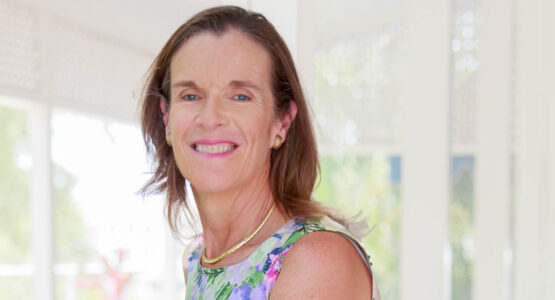
Julia PG Jones (2000) is Professor of Conservation Science at Bangor University in Wales and the Prince Bernhard Chair in International Nature Conservation at Utrecht University and was awarded an MBE in the King’s New Year Honours. She spoke with us about her passion for nature conservation and about the biodiversity crisis facing the planet.
How do we make conservation efforts more effective so that they deliver more for both people and nature? That’s the question Professor Julia Jones has spent her career seeking to answer.
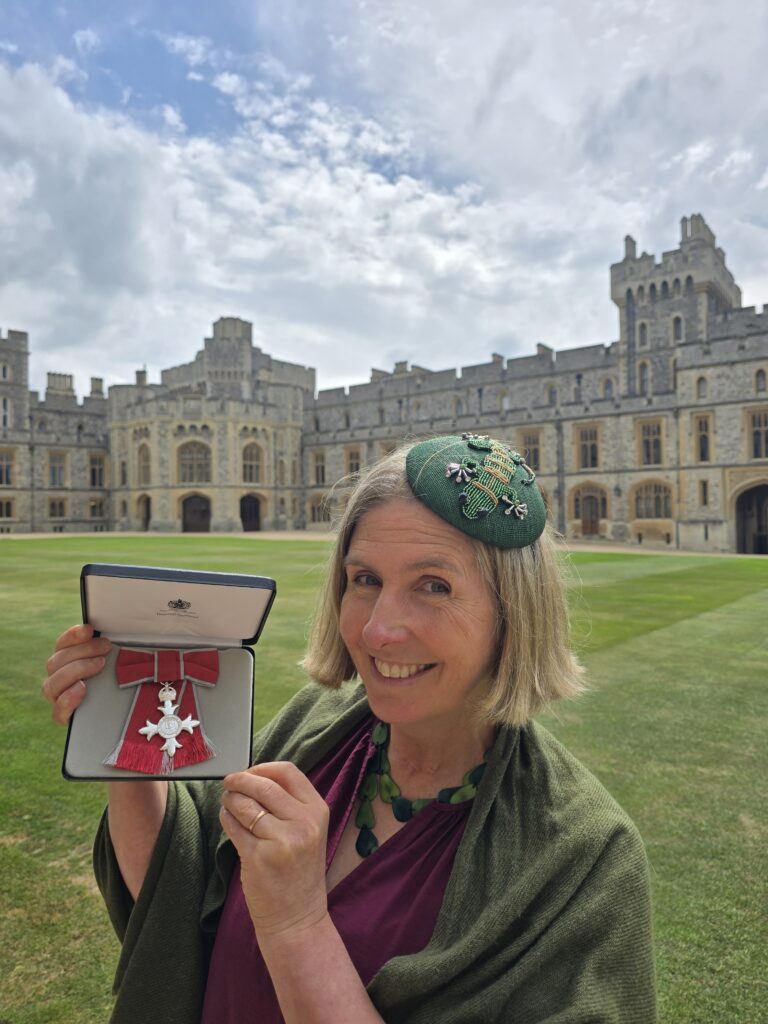
Her focus has been on developing and advancing methods for evaluating conservation policy and practice. She was recently awarded an MBE for services to the environment, which came as a complete surprise.
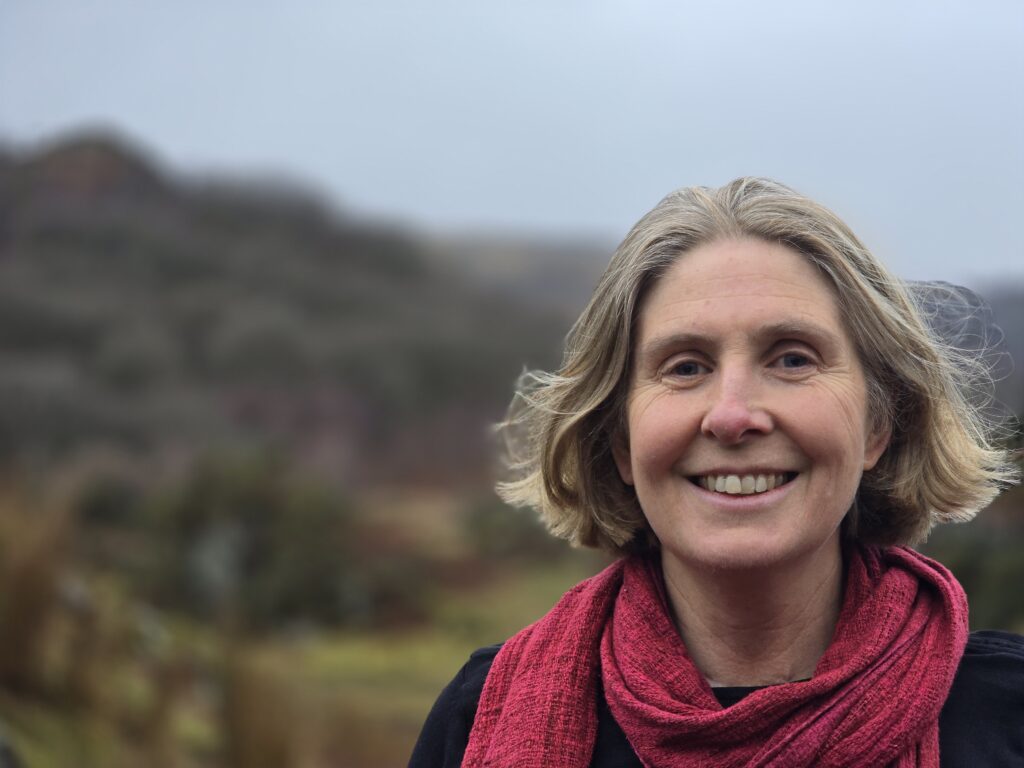
“I was delighted when I received the letter,” says Julia. “And I was surprised how many people have been in touch about it from all areas of my life. It’s been lovely. More importantly, it’s given me new opportunities to talk about why nature matters so much, and why conservation science is important for tackling the biodiversity crisis.”
After graduating from the University of Cambridge, she undertook her PhD in Zoology at St John’s from 2000-2003. “My time in Cambridge, including my PhD years at St John’s, were fundamental in shaping my career,” says Julia. “I still collaborate with many peers and mentors I met during that time. Cambridge, with the incredible David Attenborough Building, is a world-leading centre for shaping the policy and practice of nature conservation. I feel such a buzz each time I return.”
Julia has worked, with Malagasy colleagues, on issues at the interface of conservation and development in Madagascar for more than 25 years. For example their research has revealed that where local communities are excluded from decision-making and lack land tenure, conservation can have negative impacts on local livelihoods. However, her research is increasingly focused here in the UK where she is especially interested in improving the effectiveness of emerging initiatives to unlock private-sector investment in nature.
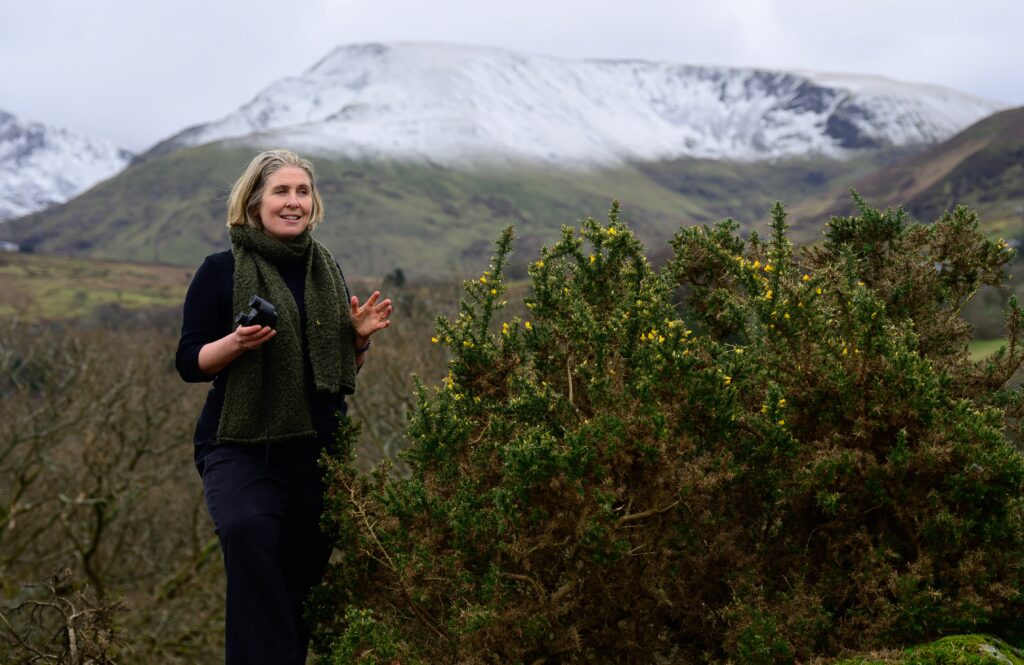
Julia is on the boards of WWF-UK and the Joint Nature Conservation Committee, which advises the UK and devolved governments and where she co-chairs the Chief Scientists Group which brings together the science leads of the UK’s five statutory nature conservation bodies.
“While it is widely recognized that climate change is an existential threat to economies and to societies, nature conservation is less well recognized as the crucial global issue that it is,” she says. “Of course, those two issues are closely twinned. We cannot tackle climate change without conserving nature.”
“I want to make sure that policies or practices aiming to conserve nature are as effective as possible, so our resources can be well targeted. My work is about understanding whether a certain intervention on the ground has delivered what it promised. This is more difficult than you might think.”
When evaluating large-scale conservation interventions such as setting aside protected areas for nature, or paying for ecosystem services, whether that’s an agri-environment scheme in Europe or forest conservation payment scheme in Bolivia, researchers need to construct a “counterfactual”, explains Julia. This is an estimate of what would have happened, at that time and place, without the intervention. One of her papers looked at the effectiveness of protected areas in terms of outcomes for birds. They found a mixed picture. “It showed we can’t assume that just because a protected area has been designated it is delivering good outcomes for biodiversity. What matters is effective conservation. Simply drawing lines on maps and celebrating that targets have been met is not effective,” she says. Identifying successes and failures can lead to conservation projects that have a greater impact.
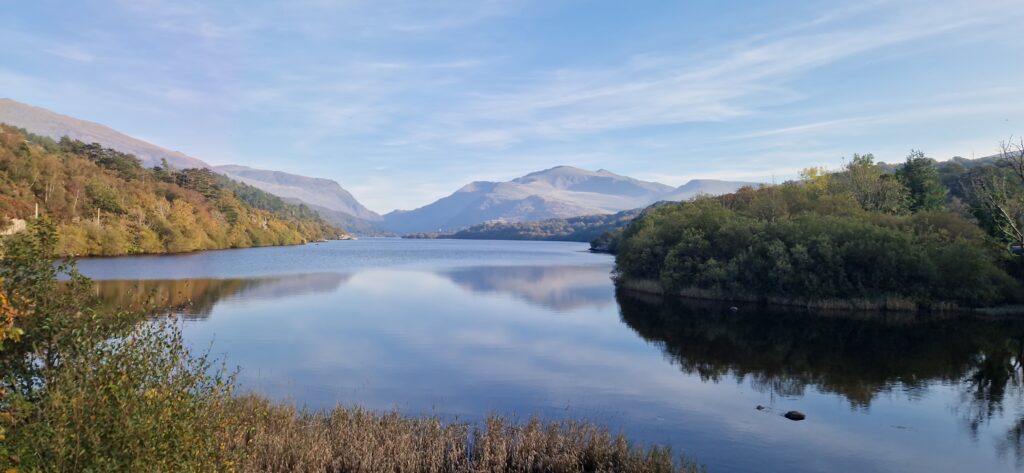
Julia believes that many people don’t realize how dire the state of nature is. She explains: “In the places where we live, we may hear the occasional blackbird that lifts our spirits. But we tend to believe that out there, over the horizon, there’s still wild nature. Honestly, that just isn’t true anymore. We have converted so much of the wild places on this planet.”
In fact, around 96 percent of the biomass of mammals on the planet is made up of humans and our livestock. So, all the wild mammals in the world are contained within the remaining four percent. Julia says: “That’s whales, squirrels, dormice, badgers, tigers, elephants, deer – all adding up to less than four percent. I find that an incredible statistic. The rest is humans and our pigs, sheep, goats and cows. Just 150 years ago the biomass of wild mammals was approximately the same as humans and our livestock, so a very dramatic change has taken place.”
Julia adds: “However we shouldn’t think of nature conservation as simply about charismatic wildlife. Food production depends on soil biodiversity. Few things are more important than that. Nature also contributes to flood regulation, and it matters for our experiences as human beings. Nature is sometimes talked about as if it is in conflict with our economy, but actually it underpins our economy. Nature conservation is not in opposition to people, but about people. It underpins much of what matters to us.”
The good news is that plenty can still be done to aid nature recovery. “There are many positive initiatives that are recovering nature alongside people,” says Julia. “The thing about nature is it does recover rapidly if you give it the chance. And recovery at scale is absolutely possible when nature is given space. But this isn’t all about rewilding large areas separate from people. It is also about bringing nature back to where people are. Small changes at a local level do count. This could be as simple as people mowing their lawns less frequently and allowing wild flowers to flourish.”
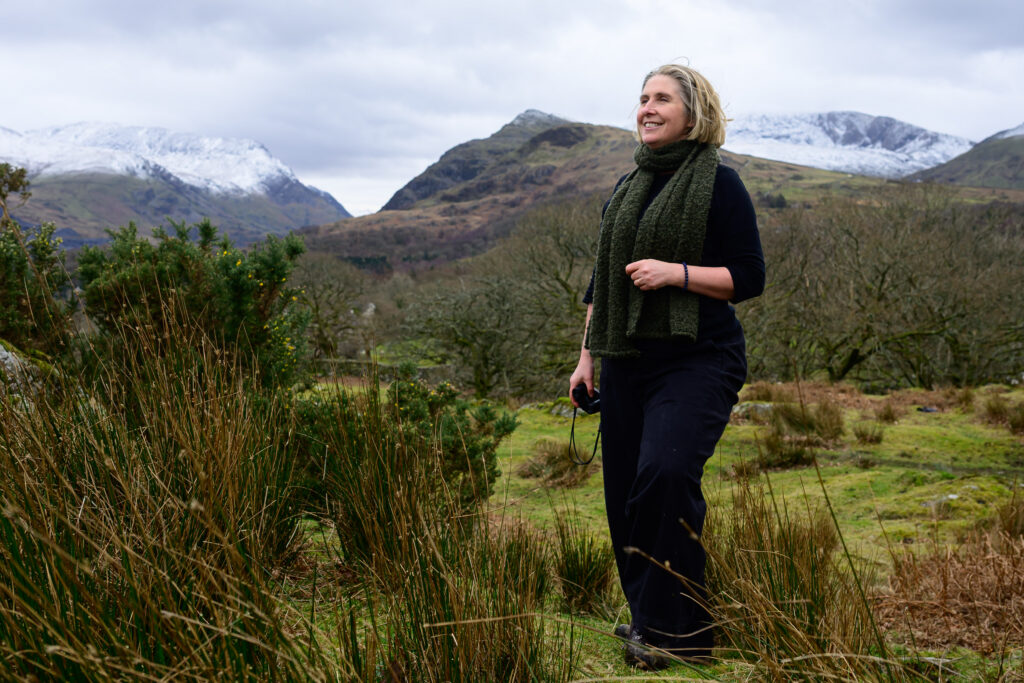
Her resolution for this year is to seek out opportunities to speak about her work to broader audiences.
“The most important thing I can do is help to prevent environmental concerns from developing into a partisan issue,” she said. “Nature matters too much to be caught up in culture wars. While many people from all sectors of society, who vote for the full spectrum of political parties – or do not vote at all – recognise this, I realised I could be doing more to make the case outside my echo chamber.”