Winter Olympian slides into commentating role at Milan Cortina 2026
If you’re just learning your luge from your bobsleigh, then two-times Winter Olympian Mark Hatton (1995) is here to explain it all to us fresh from commentating on the Winter Olympics 2026.
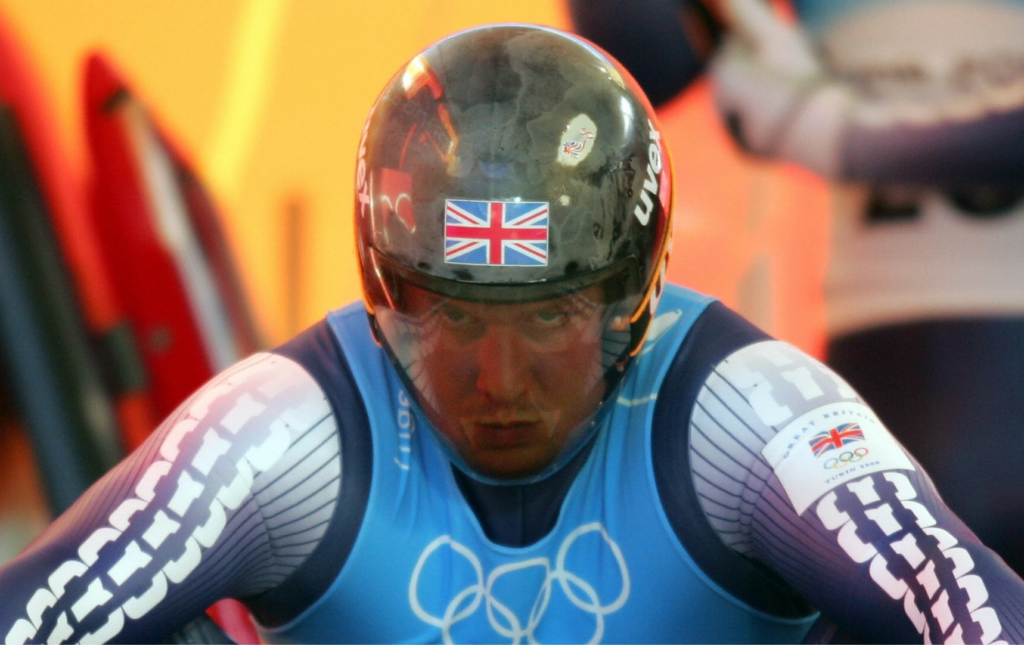
Mark, who came up to St John’s to study for a PGCE, was a pole vaulter and ice hockey Blue while at the College and is one of Team GB’s most successful luge athletes, racing in the Salt Lake City 2002 and Turin 2006 Winter Games.
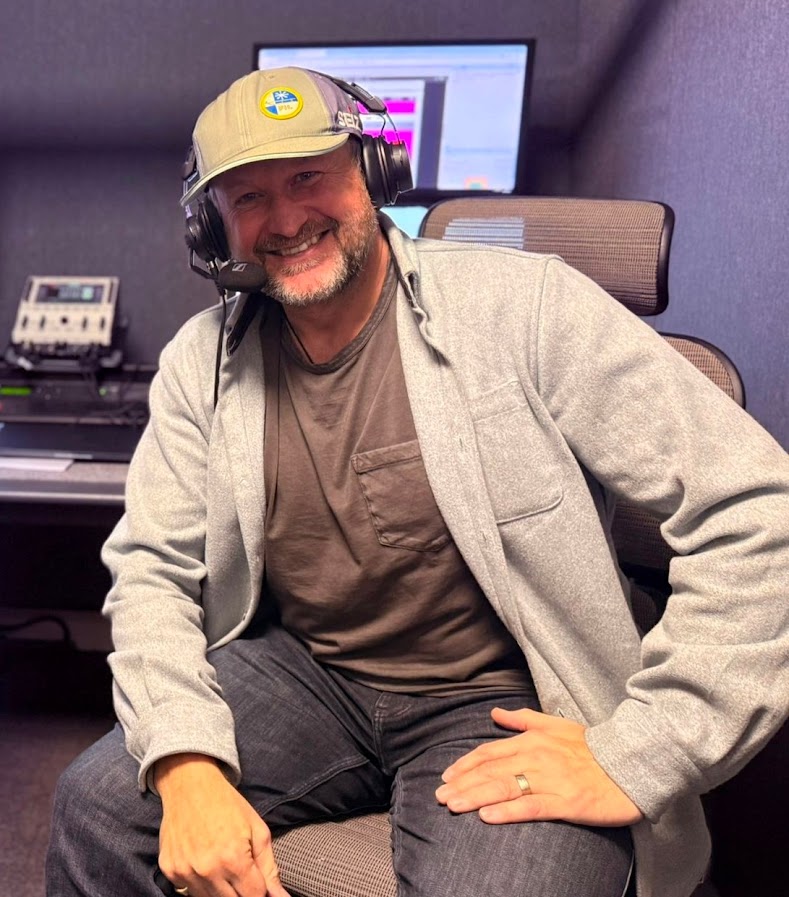
For this year’s Winter Olympics, Mark has stepped off the ice and into the studio to be a live ‘play-by-play commentator/analyst’ of the Milan Cortina 2026 Luge events for Warner Bros Discovery, on TNT Sports and Discovery+.
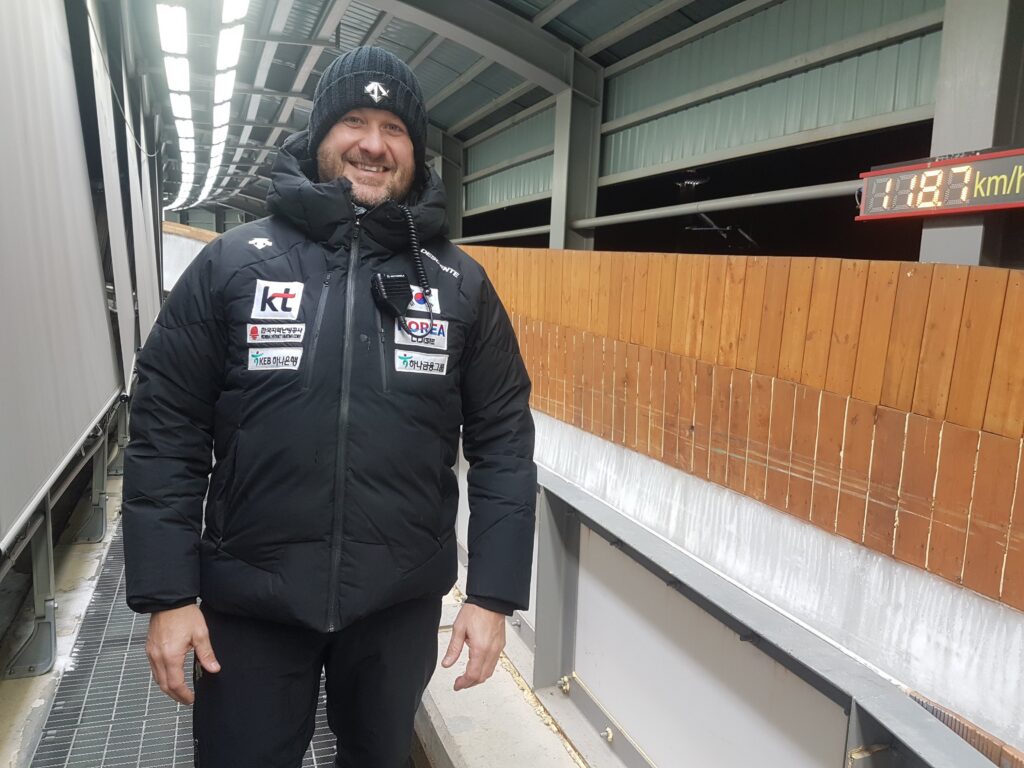
At Vancouver 2010 Mark was Luge Competition Manager for the Organising Committee, at PyeongChang 2018 he coached the Korean Olympic Team and at Beijing 2022 he coached Team GB. He is now a full-time commentator and public speaker as well as the owner of a Brain Fitness clinic in Vancouver. We caught up with him as he returned home after the Winter Olympics.
What’s it been like commentating on the Winter Olympics as a former competitor?
It’s great. I’ve been commentating quite a few years now for the World Cup, and even when I was an athlete I would try to get in the commentary booth when I could, if I wasn’t racing. The way I funded my career as a racer was to do public speaking. So, the commentary carries over from that except you need to think on your feet a lot more because you’re trying to paint a picture of what is happening in the moment.
How do you prepare beforehand?
Doing your research is the most important thing but it’s also about knowing your role. I’ve done lead commentary, and colour commentary, and I’ve done a hybrid of both. Colour is very much about being the analyst, understanding the track, understanding how the sleds work, understanding the athletes’ mindset. Lead commentary is about helping your colour commentator to shine. So even though I may know the answers to a question you’re asking, I want to make them the expert. It’s more stage management and directing procedures.
How do you pitch your commentary to a general audience who may not know much about the sport?
With a sport like luge, which people don’t grow up doing in their back garden, unlike football, it can appear very mysterious. Some people ask, “Do you even have a sled or do you just lie on the ice?”. So you’re trying to demystify that story and allow people to have an opinion, rather than just watch it and say, “That’s fast”. If you can explain it, people can then start watching and think, “Oh, he went a little high there, and the guy told us that you need to go more in the middle into that curve.” It’s a bit of an education. But you’re also trying to promote the sport as well. Also, I always try to think that I’m commentating to the mums and dads and family of that athlete, because they’re so proud. And many of these athletes are self-funded, so if they do something well you want to let the world know.
Do you know the tracks very well yourself?
Cortina was built for this Olympics so I’ve never been down it. But if I’m commentating on most other tracks in the world, I’ve probably got up to 500 runs down those tracks as an athlete. And I’ve coached athletes from Korea, Great Britain, Canada and many other countries. With a brand new track like Cortina, I had to watch a lot of runs beforehand and analyse the physics of the curves. I had to speak with a lot of athletes and coaches just to understand the nuances of that track.
Are you hoping to capture some hearts too?
You’re definitely thinking about someone who wants to start up the sport or somebody who may want to fund the British program because I wear a lot of hats. I’m Performance Director for the Great Britain Luge Association, so I see this as a whole new shop window to show off our sport. And the shop window is only there really once every four years. You get the die hard fans who watch TNT sports or Eurosport throughout the winter, but the Olympics has a very different audience, so I think about how I’m going to convert people to fans.
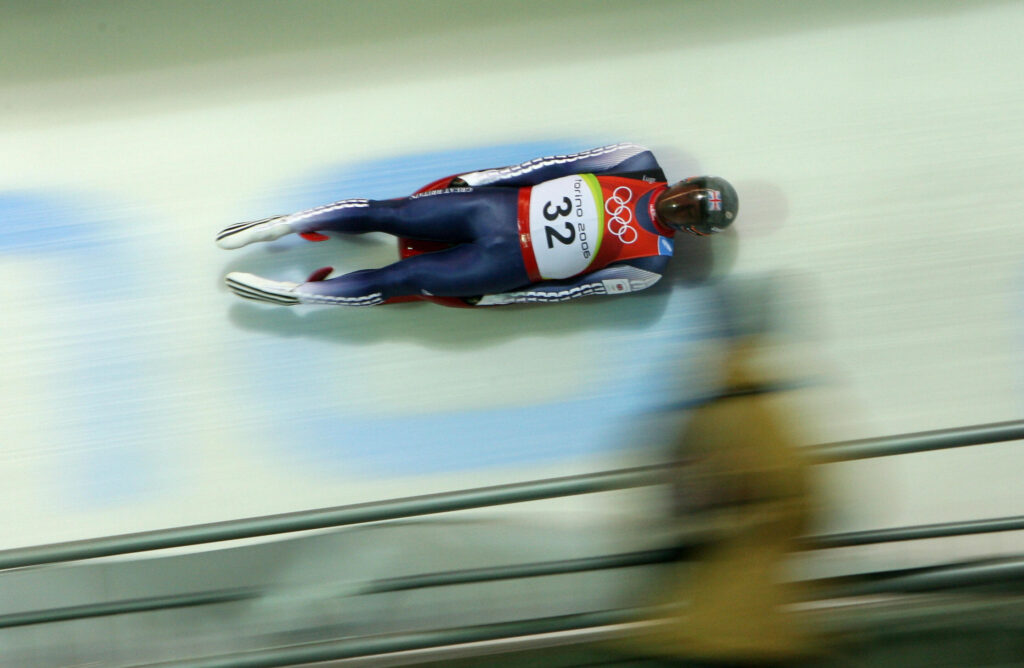
For the uninitiated, what is the luge?
The luge is the fastest and arguably one of the most dangerous sports in the Olympic programme. It uses the same one-mile ice track as the bobsleigh but on a tiny 25kg sled at speeds well over 90mph, experiencing G forces of around 6G while wearing just a crash helmet and lycra.
How did you get involved with the sport?
The first time I became aware of the luge was when I was 15 years old. I was watching the ‘88 Olympics in Calgary, and I was just captivated by it. I remember saying to my mum, “That looks incredible.” She said, “Those people are ridiculous. I couldn’t imagine anything worse”, but it just absolutely hooked me. It became a life goal. I was a pole vaulter at Cambridge, and throughout school I did pole vault, rugby, a bit of ice hockey. Then while doing my undergrad degree I met the British bobsleigh team. I started chatting with them about the idea of becoming a bobsledder, but I was too small even though I’m six feet tall. But the luge was always at the back of my mind.
What was your way in?
It took multiple phone calls and initial rejections, but I first tried it out in 1994 at an Army beginners’ week in Austria in 1994. Then at St John’s I was awarded a three-month scholarship to go and study Japanese language and culture in Japan, and one of my reasons for wanting to go was because the next Olympics were going to be in Nagano. While out there, I made my way to Nagano to train and try to qualify for the ’98 Olympics. I just missed out but the year after I went to my first World Cup race.
Bobsleigh, luge and skeleton have always traditionally been military sports because they test character and courage. You get tested physically and mentally by the luge track and then built back up. It humbles you immediately, and you have to learn by being patient and persistent. The learning curve is very steep and can be painful, but if you stick with it then it gets less steep and less painful, but those first few years are very difficult.
Why did luge become your passion?
It was a mix of being completely terrified and completely exhilarated and realising that on a 30-second run from halfway down the track, I’d found absolutely what I wanted to do for the rest of my life. That was transformative for me, and so that’s why I’ve stayed involved for the last 30 years.
Did you have many accidents?
A few, but I was pretty lucky. I broke bones, obviously. Everybody in luge has crashed at around 90 miles an hour multiple times. Compared to skeleton, it’s difficult for us to transition athletes from other sports late in life. It takes a lifetime to learn luge, whereas it’s possible to take an athlete from another sport and turn them into a skeleton athlete within a few years. We need luge athletes starting very young if they’re going to be competitive. I was a rare exception. At most tracks around the world, including my home track in Whistler, they start at around six years old. They love it and don’t have the same fear as an adult. Your profile of how you manage fear and challenge is very different when you’re six, eight or ten years old compared with when you’re twenty and you realise your own mortality.
Do you still coach?
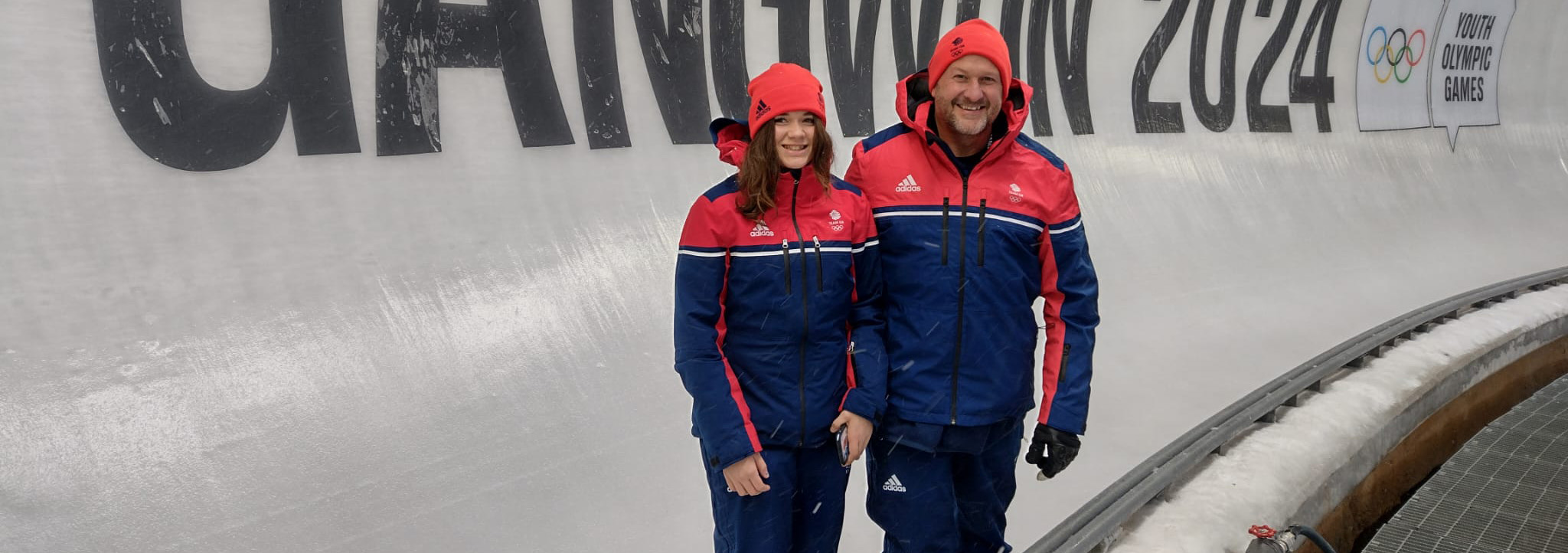
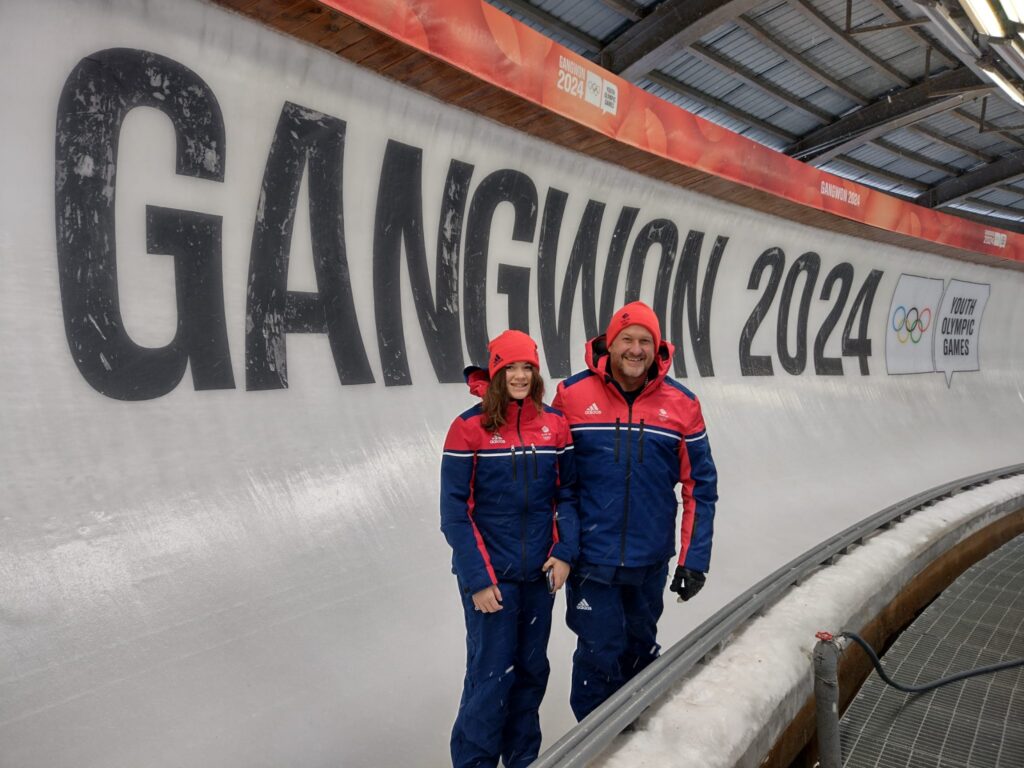
I still love to coach. I did a PGCE (teaching qualification) at Cambridge, so teaching was something I understood. My daughter Kaia is 16, has been sliding since she was 6 years old and missed out on qualification by two spots for Great Britain for this Olympics. She was the youngest ever Senior World Cup athlete for Great Britain, and one of the youngest World Cup athletes ever to race luge. I coached her to the Youth Olympics in South Korea in 2024 which was an incredible experience for us both – I do find coaching her on the track nerve-racking though. As long as she continues to have fun sliding fast, she should reach her goals and I hope she will go further than me.