Respecting culture, restoring nature: the vision that rebuilt an Alaska Native Corporation
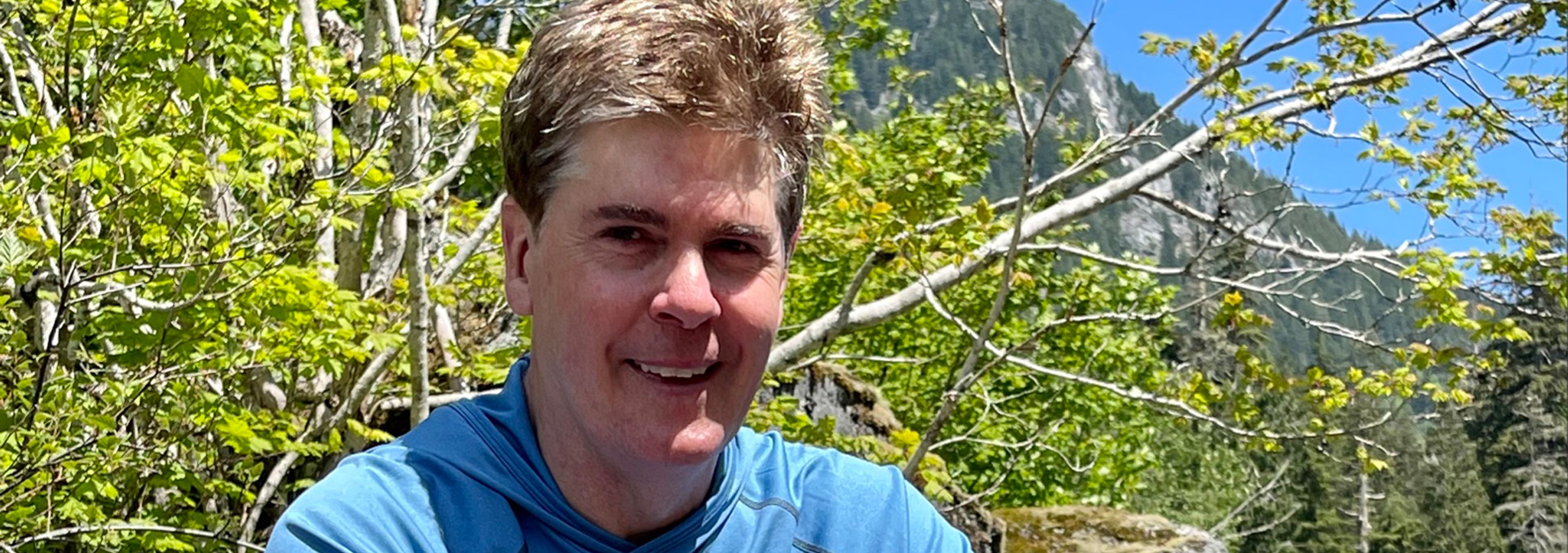
When Dr Terry Downes (1989) arrived at Sealaska, the idea that it could one day build a $1 billion ocean health business platform was not on the agenda. It owned a collection of disparate businesses, many of which were losing money, and seemed to have lost direction.
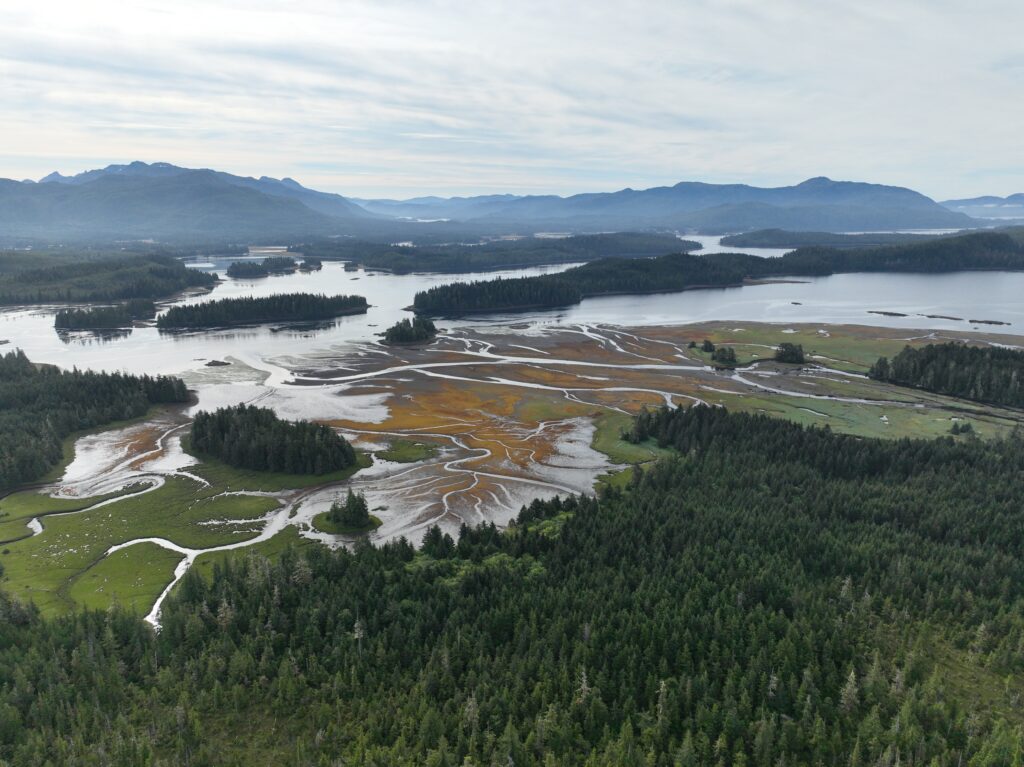
The Sealaska Corporation was not a typical business prospect. It is one of 13 for-profit Alaska Native Regional Corporations created in 1971 in settlement of aboriginal land claims and is owned by 26,000 Alaska Native shareholders, of Tlingit, Haida and Tsimshian descent.
Some people may have been daunted by the task of managing community expectations and turning its fortunes around. But, after decades of international business leadership and being valued for his success as a problem solver, Terry decided the first thing to do after being invited to help by the board was to start listening. Following conversations with a wide range of shareholders about their culture and heritage, he realised “the answer was under our nose”.
Terry took a PhD in Materials Science at St John’s and then studied at London Business School while he was working for a global construction materials business that had operations all over the world. He describes his career there as “problem solving”. So when faced with a corporation in major financial trouble, he quickly took stock of its assets. He says: “The area had this really valuable timber, Sitka spruce, which is what airplanes were made of in the First World War. It has a unique grain structure, because the growing climate is short in Alaska due to the cold weather. These trees are 500 to 1,000 years old and the timber is prized all over the world. It would sell for five or six times more than commodity timber and was a massive cash cow for Sealaska, so they basically cut down their forest and turned it into cash. But that money had not been well invested.
“They had bought all these businesses with no rhyme or reason. When I joined, they had a plastic injection moulding business in Guadalajara, a guard gate security business in Peru, construction business in Hawaii, logistics in Atlanta, and I asked them, ‘What are you trying to do here? What’s the glue that holds it together?’ And there wasn’t one.”
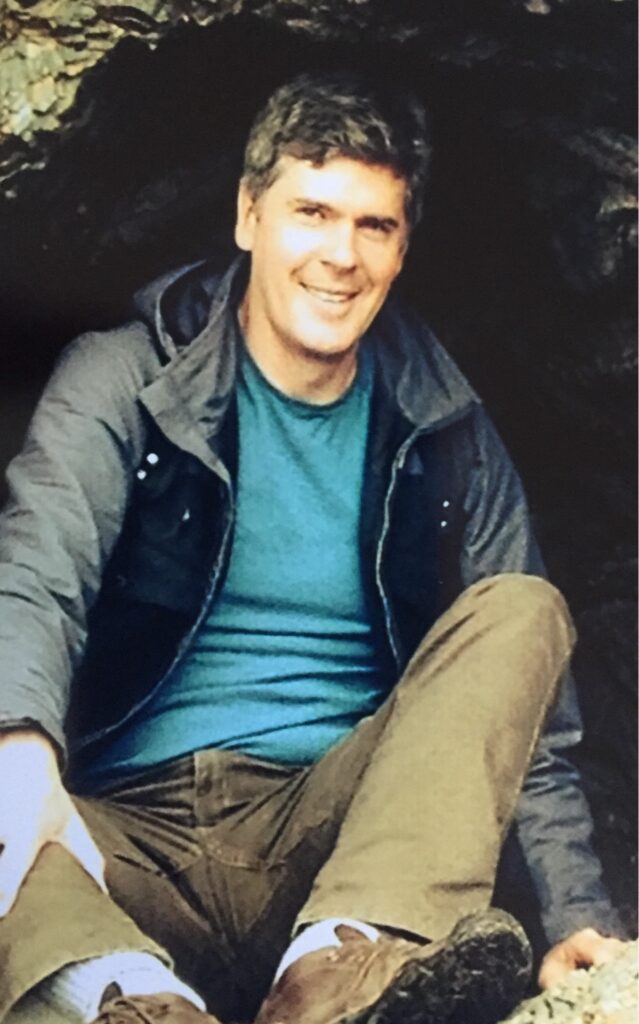
The problems were compounded by the fact that shareholders were not well off and relied on the dividends. All the companies were losing money for various reasons, but the common factor, according to Terry was “a lack of leadership”. In one year, a single business lost $35 million, which was, he explains, “pretty serious for a company that had meagre resources and was fairly small”. Something had to be done quickly. “Losing money was a disaster,” says Terry. “And if it wasn’t solved, who knows how far it would have gone?”
Conversations with community elders helped Terry to understand more about their heritage and viewpoints. “It’s all about listening,” he says.
“In previous roles I would get sent from the owners in New York or London to go and fix a situation. I found that 99 times out of 100 the locals were right, and no one was listening to them. So it’s really about seeing things from a myriad of points of view and being able to triangulate the information you’re getting. It’s the ability to connect with people and respect their background and culture and respect difference.”
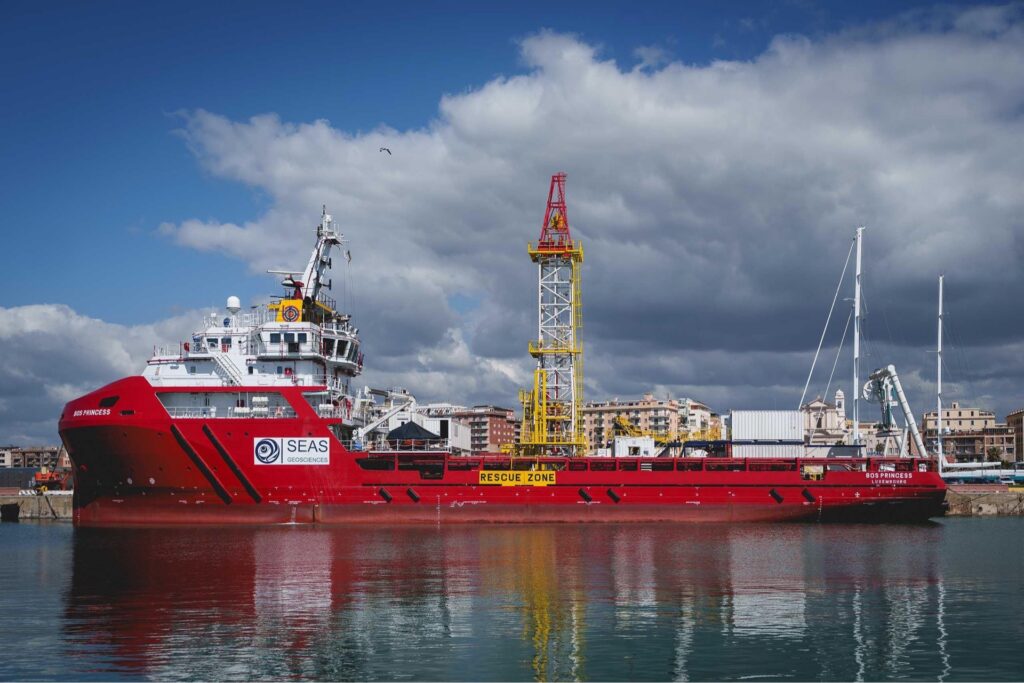
What took shape from there became the integrated collection of global businesses called Woocheen, which sits within Sealaska. It is a world leader in deep-water geosciences and is addressing the challenges of climate change. The name is derived from the Tlingit word wooch.éen, which can be roughly translated as “working together”.
“This organisation is owned by a community of people who can trace their ancestry and culture and value system back thousands of years,” says Terry. “They have lived in harmony with this region for thousands of years. They have a connection to it that’s rock solid and their aim is to try to benefit the people that own them, not make rich people richer. It seemed to me a very valuable construct that had a massive amount of potential. And I thought that they should build a business around who they are. Not build a business like corporate America would want them to be. So building to that uniqueness was what I laid out to them as an idea.”
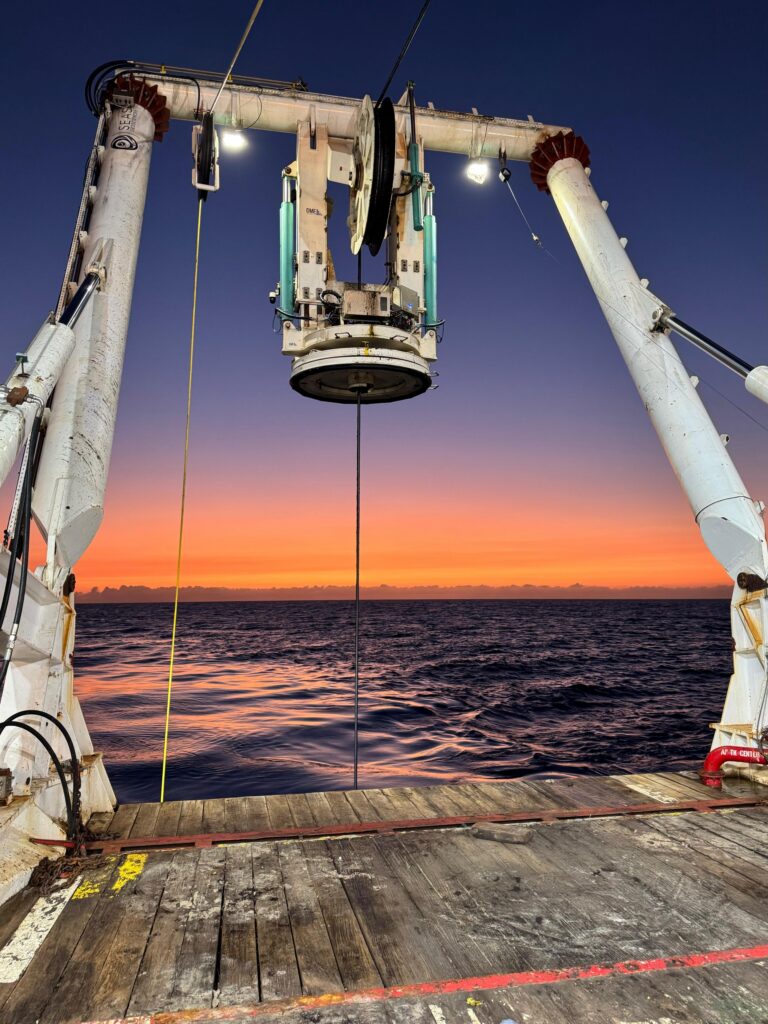
First, the corporation changed the way it managed the remaining forests so that logging was no longer a focus. “It seemed crazy to be cutting down virgin forests,” says Terry. Then they sold the businesses that did not serve their values and began looking for ones that would support the environment and reflect their aim to be more in harmony with nature. Woocheen’s main focus is now its geosciences businesses that offer expertise in offshore, nearshore and onshore geosciences, combining those offerings with subsea engineering capabilities and analysis. They are able to assess seabed and subsurface conditions in otherwise inoperable places, ultra-deep waters and remote locations to help clients locate valuable resources, plan and engineer offshore structures, and assess potential risks and environmental impacts. They have also improved the environment through their work including extensive salmon habitat restoration in their lands in South East Alaska. And they have set aside 176,000 acres of forested lands to be managed for the purpose of carbon sequestration for the next 100 years.
Terry’s own childhood straddled two cultures as he had Irish parents but grew up on a farm in England before spending half his time in Ireland when they split up. This, he says, helped him to see the viewpoints of shareholders with native heritage who were also living with modern American culture. “I spent half my childhood after that in Ireland,” he says. I think that’s one of the reasons why being raised in two cultures is very valuable. I went to school in England, but was very much raised in Irish culture, which is very different. It’s very liberating to be raised with the idea that there’s not one way to think about things. It’s given me the ability to have that dialogue. And I think that’s why I’ve always been drawn to this type of work. I also grew up surrounded by nature and that has remained a strong influence on me.”
This background twinned with his experiences at St John’s paved the way for his career in problem solving. He explains: “I’m a scientist and during my PhD research there I met some amazing people. The thing I miss about the College is being with such a high concentration of exceptional thinkers,” says Terry. “The most important thing I learned there was to be honest when the results of my research were not working out the way I hoped. It’s about not falling in love with your own hypothesis, but rather the ability to question the current understanding, even when the truth is really uncomfortable.”
Looking to the future with Woocheen, Terry says they have a clear vision: “We are living in an age where the infrastructure and energy problems we face outweigh the resources we have. Therefore, our focus is to find more efficient ways to solve these problems. From non-invasive sampling to integrating disparate data to dealing with sea level rise. Our focus is to partner with others and develop better solutions for these challenges while also raising awareness of how we can live in closer harmony with our planet which I think will make us happier.”
Images courtesy of Sealaska.