New album of songs from the British Isles by former Choral Scholar
Bass-baritone Tristan Hambleton (2007) read Art History at St John’s and Heidelberg Universität before training in voice and opera at the Royal Academy of Music in London. Since then, he has developed an international career across opera, oratorio, concert and recital repertoire. He has just released his first album, Day of these Days, which brings together the best British song composers of the 20th and 21st centuries.
How did you begin your singing career?
I am fortunate to come from a long line of musicians – according to the Royal Society of Musicians the Hambleton’s are the longest continuous line of musicians in their recorded history. So, both nurture and nature have undoubtedly played a role in my pursuing this path. I grew up to family stories and letters from Elgar, Furtwangler and Karajan. My dad was principal clarinet at English National Opera and I would spend the holidays running around the London Coliseum while they rehearsed. I became a chorister at St Paul’s Cathedral aged eight and alongside daily evensong I sang roles at English National Opera, the Royal Opera House and abroad. In terms of difficulty, I would have to say a career in opera is right up there. There is no security and funding both at home and abroad is being squeezed. I can only hope to have a long, successful career.
What were your musical influences growing up?
My parents were my earliest influences. My mother would play the guitar and sing to me and my brother (who is a professional horn player). She also played the flute and would accompany us on the piano. Otherwise, the soundtrack to the house was either dad’s clarinet practice or BBC Radio 3.
Were you discovered by someone?
I was lucky to have wonderful experiences as a treble, singing alongside famed singers such as Bryn Terfel, Bob Tear and Jessye Norman. I saw what the life of a singer could be. There was no discovery for me I don’t think, just incremental breakthroughs through auditions. Perhaps I’m still waiting to be spotted.
Tell us about your musical career at St John’s.
I was a Choral Scholar at St John’s and so therefore sang in the Chapel’s Evensongs on a daily basis during term time and long vacation. We also ran the Gents’ close-harmony group, singing at dinner events across Cambridge with the occasional tour. These occupied most of my time, but I did run my own ensemble called the Lateran Consort and I was involved in a few of the University’s Opera societies.
How did you move into opera after graduating?
I read History of Art with both Prof Frank Salmon and Prof Deborah Howard as my College mentors. Upon graduating I was chosen to take up the St John’s exchange with Heidelberg University in Germany. Here I learned German and applied to the music colleges in London. I then won a full scholarship to the Royal Academy of Music and began my studies there for another four years. In my final year at RAM, Glyndebourne offered me a contract, I got an agent and I have been working ever since.
What are some of the major roles you have performed?
As a “young” low voice (everything is relative) many of the big roles are further down the road for me, but I have been delighted to sing some great ones so far including Claudio in Agrippina, Alidoro in La Cenerentola and Figaro in Le Nozze di Figaro. Other smaller but just as fun roles include Angelotti in Tosca, Colline in La Bohème and Bonze in Madama Butterfly.
Are there any dream parts you would still like to sing?
Many and really too many to mention.
Tell us about your new album with pianist Simon Lepper.
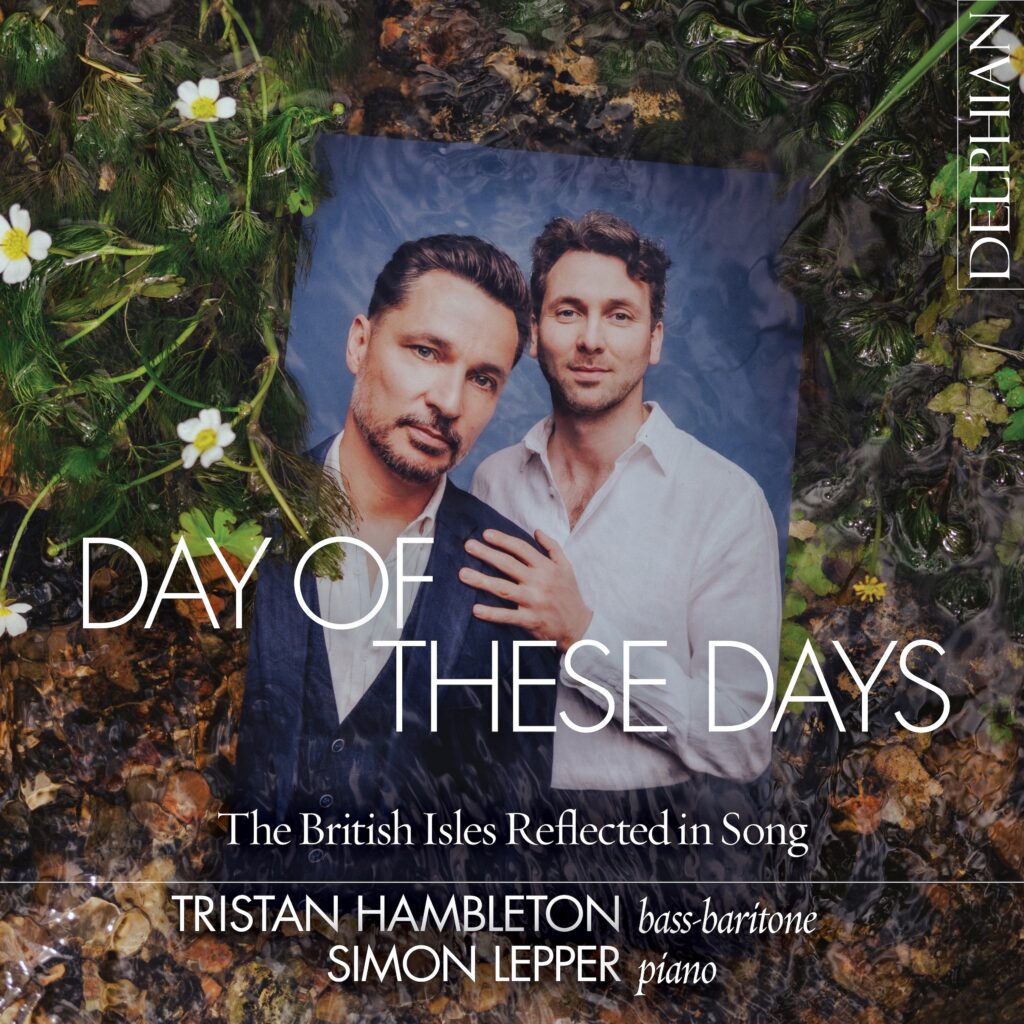
Our new album Day of these Days brings together the very best British song composers of the 20th and 21st centuries in Britten, Bridge, Beamish and others. Many of the songs are world premier recordings (10 in total). The album explores themes of time, nature and relationships.
Song is one of the most dynamic art forms, giving the performers a great amount of artistic control. It is particularly exciting to work with living composers; some of these songs were written for me or gifted to me. It truly is a living and breathing art.
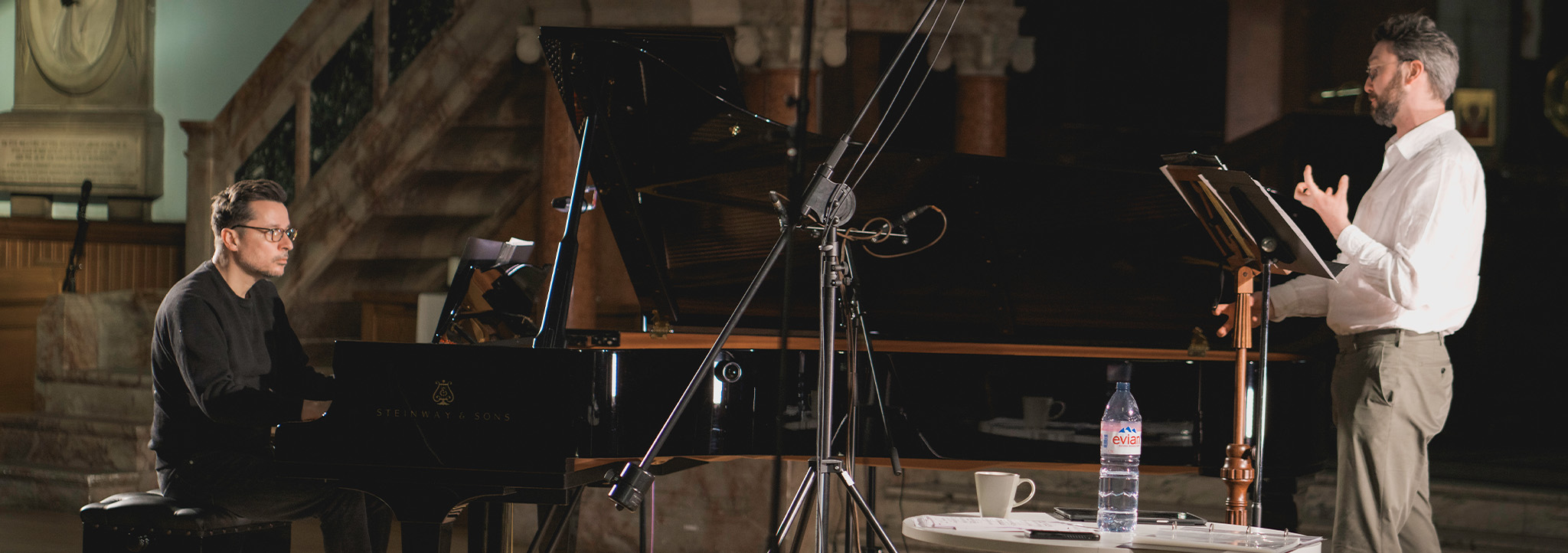
Simon studied for his BA at King’s College from 1992-95. When I began my postgrad studies at Royal Academy of Music, he was already head of the collaborative pianists’ programme at Royal College of Music (the two easily confused, the former being in Marylebone, the later in South Kensington). We were paired together by Garsington Opera and Nevill Holt Opera for a recital at the Irish Opera Festival Blackwater Valley. And needless to say, we struck a chord and have collaborated together many times since.
What’s next for you?
I’ve just finished a run of Giulio Cesare at The Grange Festival in Hampshire, and the rest of the summer includes concerts at the Three Choirs Festival in Gloucester, performances in Norwich and Chichester and recitals in Germany. And next season I have performances in France, Germany and Switzerland, including performing the programme from the album at Wigmore Hall in London.
Day of these Days is out now on Delphian Records.