
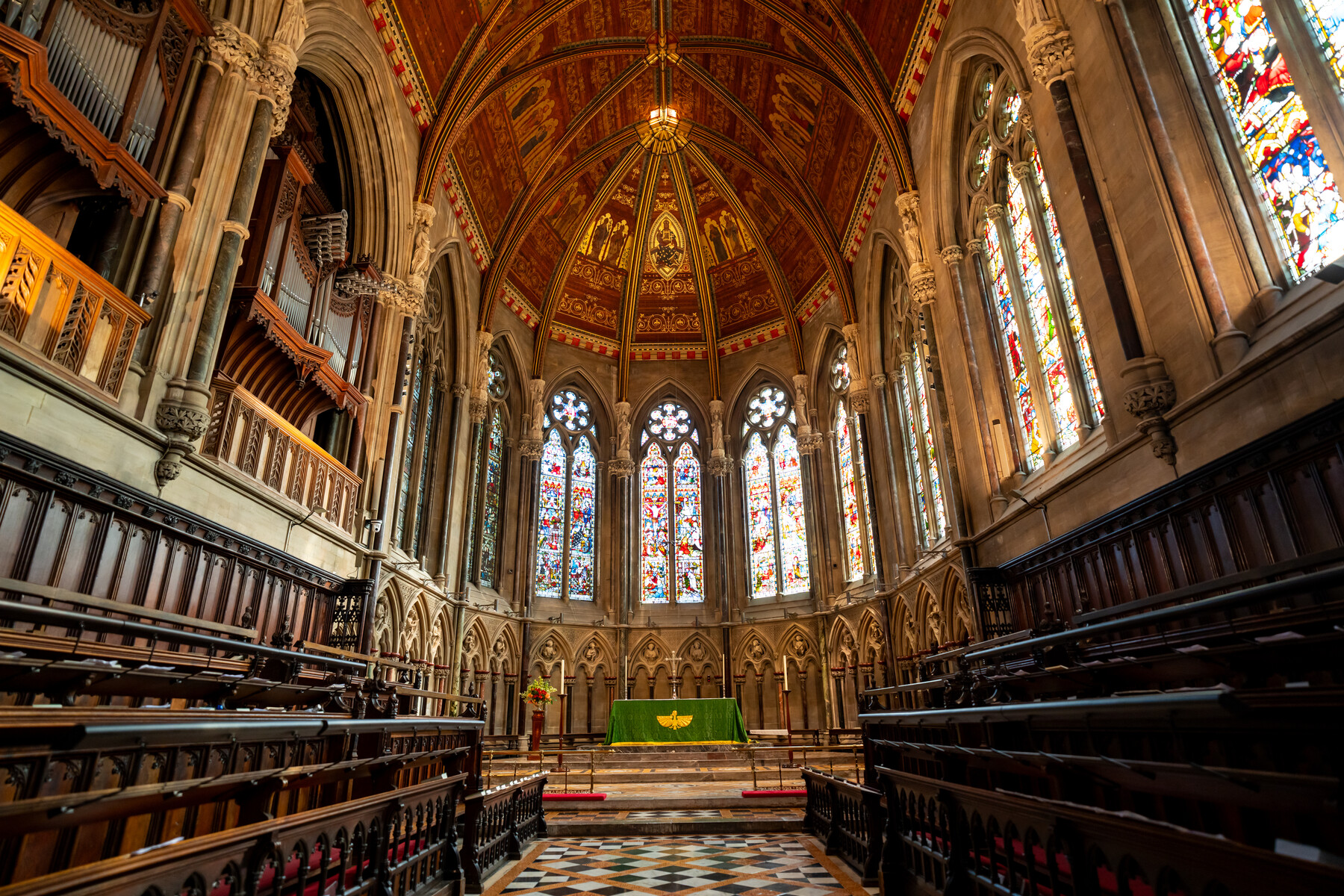
Five days of concerts, recitals and services in May marked the installation of the distinctive new Harrison & Harrison organ at St John’s College Chapel.
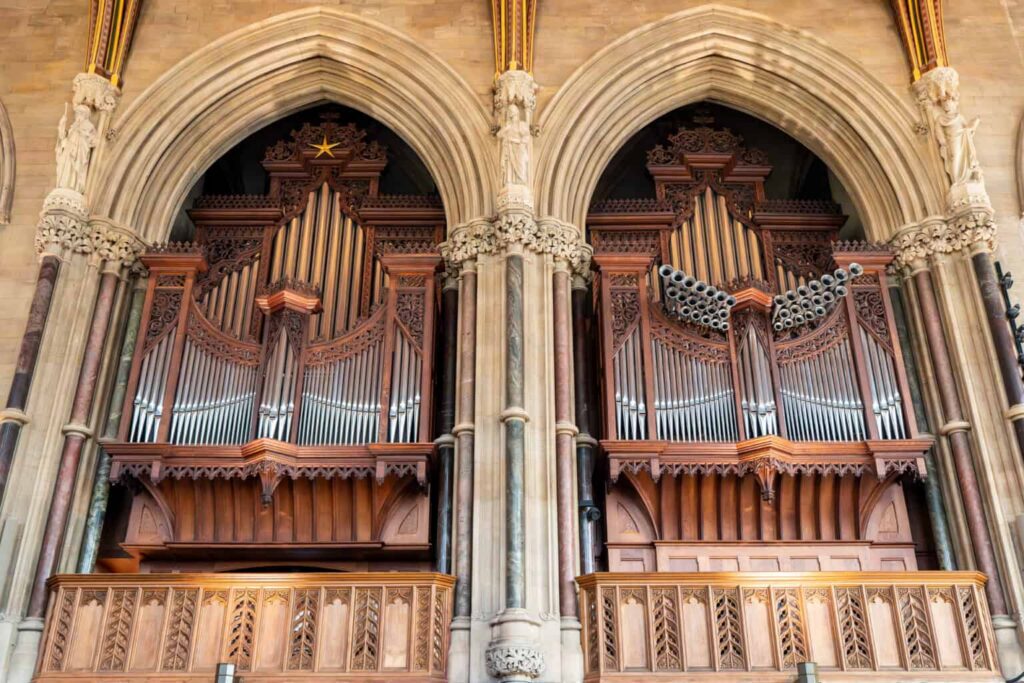
Leading performers joined the St John’s College Organ Festival to celebrate the arrival of the new instrument, built around historic pipework by the pioneering Victorian organ builder ‘Father’ Henry Willis.
The festival, held from 6–10 May, welcomed Olivier Latry, Titular Organist of Notre-Dame de Paris, acclaimed concert organist Wayne Marshall, former Director of Music David Hill, and Organ Scholars Tingshuo Yang and Pascal Bachmann, alongside The Choir of St John’s College. Several events were recorded by the BBC for future broadcast.
Organ music has been at the heart of St John’s for centuries. The College has owned an organ since its foundation in 1511, and the Choir has been accompanied by the instrument throughout its 350-year history.
The new Harrison & Harrison organ, incorporating pipework originally constructed by Henry Willis in 1889, was relocated to St John’s College Chapel to replace the Mander instrument installed in the early 1990s.
Christopher Gray, Director of Music at St John’s, said: “Our Organ Festival celebrated the completion of a project that had taken several years and involved significant creative vision, planning, craftsmanship and technical skill.
“It was a pleasure to work with the organ building firm Harrison & Harrison Ltd to bring the historically important pipework of ‘Father’ Willis to St John’s, expanding the original specification in a sympathetic way to create an instrument of exceptional quality and musical integrity, perfect for our needs.”
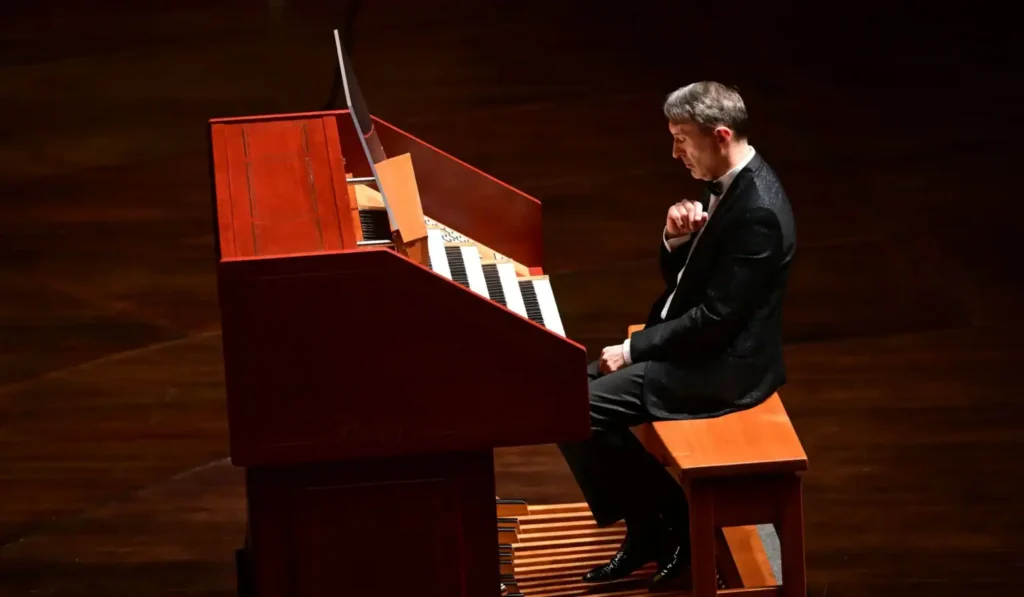
The festival featured a memorable inaugural recital by Olivier Latry, who performed a programme of French repertoire including Franck’s Troisième Choral, Alain’s Litanies and Vierne’s Carillon de Westminster. The recital was recorded for future broadcast on BBC Radio 3.
The Choir joined acclaimed British organist, pianist and conductor Wayne Marshall and baritone Tom Butler for a gala concert featuring Britten’s Rejoice in the Lamb, Vaughan Williams’ Five Mystical Songs, and works by Holst, Marsh and Daley. The programme also included the premiere of Swift Messengers, a new organ work by Tim Watts, College Assistant Professor and Director of Studies in Music and a Fellow of St John’s.
Former Director of Music David Hill returned to St John’s to perform a recital before Evensong on the festival’s final day. The service concluded with the dedication and blessing of the new organ.
The Choir also sang a live broadcast of Evensong on BBC Radio 3, including the premiere of The St John’s Service by Cecilia McDowall, while a specially devised service was recorded for BBC Radio 4’s Sunday Worship.
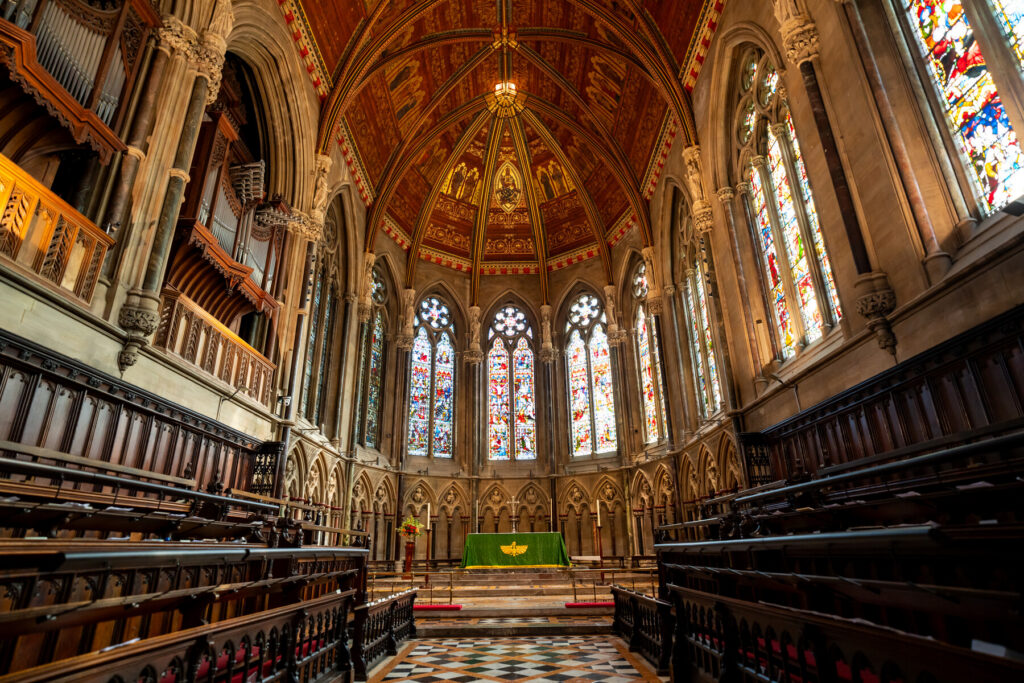
Gray added: “It was a privilege to welcome some of the organ world’s most renowned performers to St John’s. Together with our exceptionally talented undergraduate Organ Scholars, they demonstrated the remarkable versatility of an instrument that represents a significant addition to both the national organ landscape and the musical life of the College.”
The organ project was the largest undertaken at St John’s in a generation. Durham organ builders Harrison & Harrison carried out the highly specialised work of restoring, enhancing and installing the Willis pipework.
The historic case, designed by John Oldrid Scott – son of George Gilbert Scott, who designed the Chapel – remains unchanged, while two much-loved stops from the previous instrument, the Cymbelstern and the celebrated Trompeta Real, have been retained. The Mander organ has now found a new home at the Church of St John the Divine in Kennington.
Henry “Father” Willis was responsible for many of Britain’s finest organs, including those at St Paul’s Cathedral, the Royal Festival Hall, Salisbury Cathedral and Truro Cathedral, the latter being the sister instrument to the one now installed at St John’s. Before arriving in Cambridge, the instrument had previously been housed at Hampstead Conservatoire and later at St Peter’s Church, Brighton.