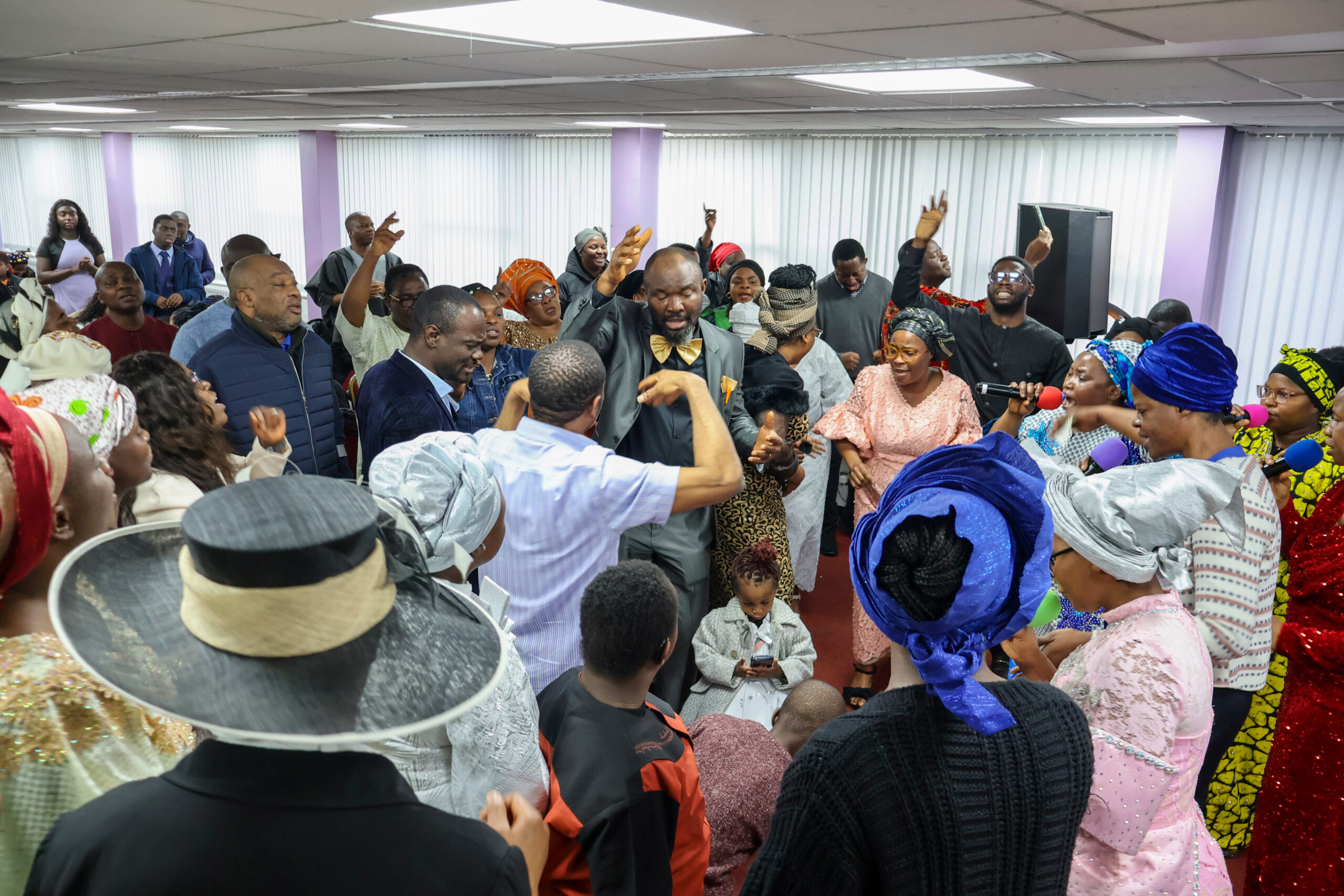
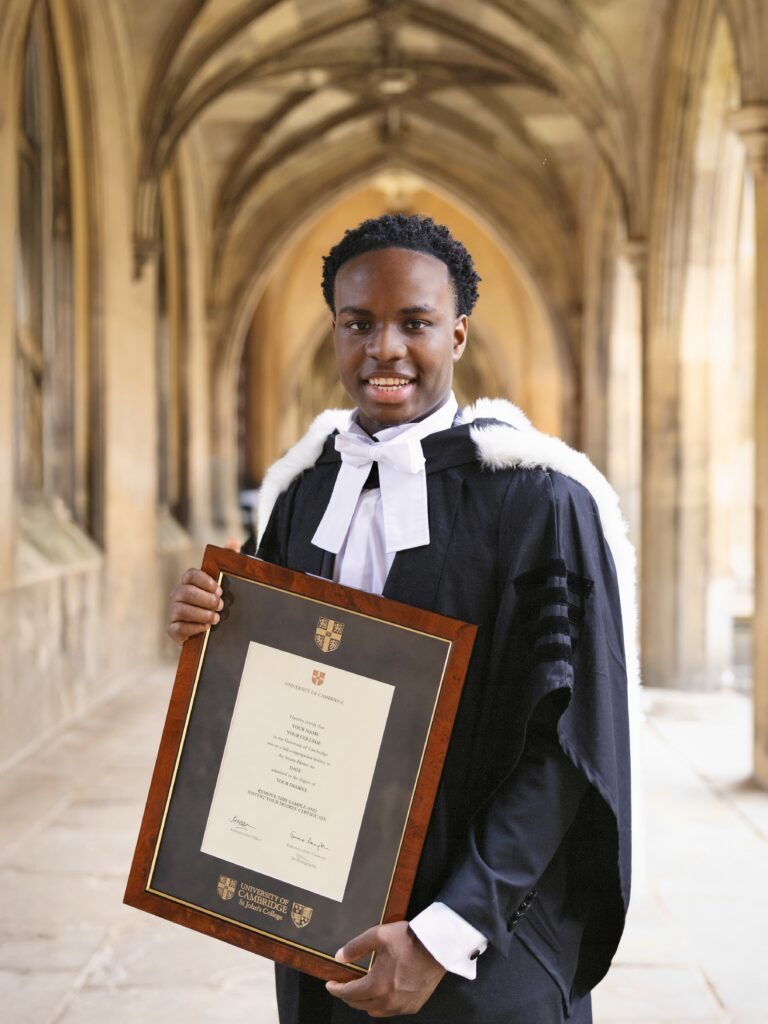
Dami Fadun (2022), Architecture
I often say that architecture taught me how to see. Not simply to look at buildings, but to look at people, identity and the way space shapes the way we exist in the world. My third year at St John’s has been the most transformative for me – academically, personally and spiritually. When I look back, I see growth everywhere.
I was born in Nigeria and moved to Glasgow when I was seven. That shift across continents, cultures and climates shaped me more than I understood at the time. I remember always trying to find my footing. I was ‘here’ and ‘there’, both and neither at the same time. In school, in public spaces, and even socially, I was constantly negotiating belonging. That experience became the seed that would later bloom into my dissertation: how architecture can create spaces of belonging for Black people in Scotland.
Black and Scottish
This idea had been quietly growing inside me for years, but it was during my third year that I finally had the mentorship and space to explore it properly.
My dissertation was deeply personal. It looked at how spaces – particularly spaces of hospitality (churches and Glasgow tenements) – can foster belonging for Black people in Scotland. Hospitality is powerful: it welcomes, it embraces, it holds.
I explored how architecture can be a form of care.
For many Black people in Scotland, belonging is not guaranteed. Public spaces are often not shaped with us in mind. Cultural expression, community gathering and identity-based rest are rarely considered in design policies. So I asked: What would it look like to design spaces that hold our stories?
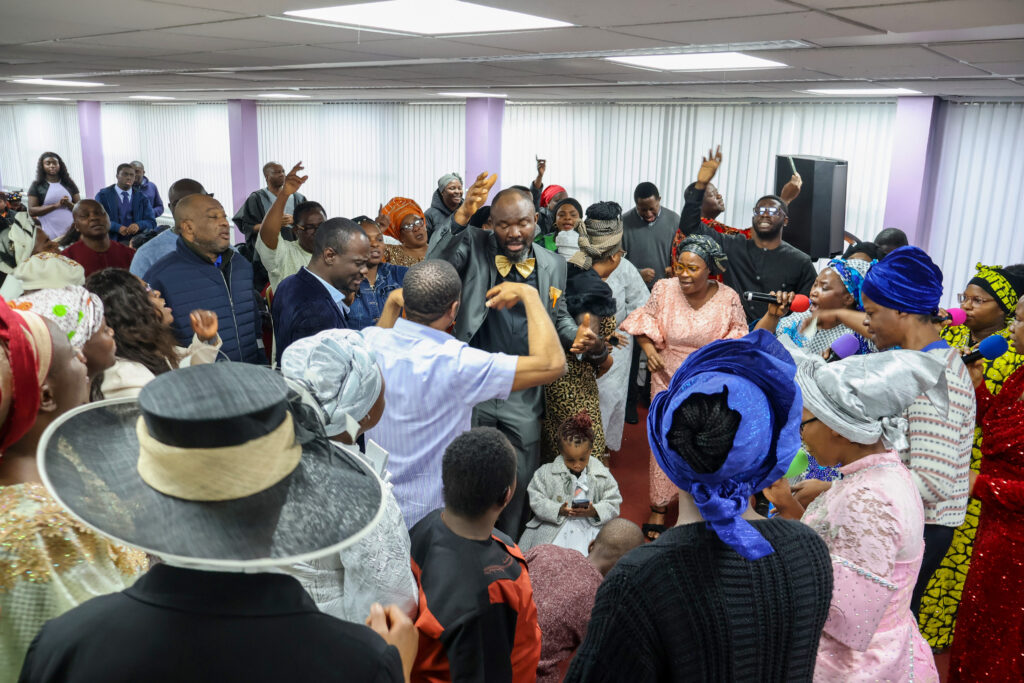
Spaces where identity does not need to be negotiated or softened.
Spaces where presence does not need permission.
Writing this dissertation allowed me to bring together memory, theory, identity and design. It was emotional and challenging but also affirming. I realised that architecture is not separate from who I am – it is one of the ways I articulate who I am.
Creating beyond the studio
Alongside my architecture degree, I have grown two other creative parts of my life: my YouTube channel and my Christian apparel business, LUVV GOD.

I started YouTube when I came to Cambridge to document my journey in a real and honest way. Over time, my channel became a small community of people who connected with the experience of figuring things out, growing, and holding on to faith. Reaching 5,000 subscribers this year felt like a quiet reminder that being authentic has value.
I founded LUVV GOD in 2023, halfway through my first year. What started as a personal expression of my faith has now grown into a community of people who love Jesus and want to express that love openly and creatively. The brand blends my architectural eye for form and detail with my desire to make faith visible in everyday life. It’s streetwear, but it’s also belonging – just in another form.
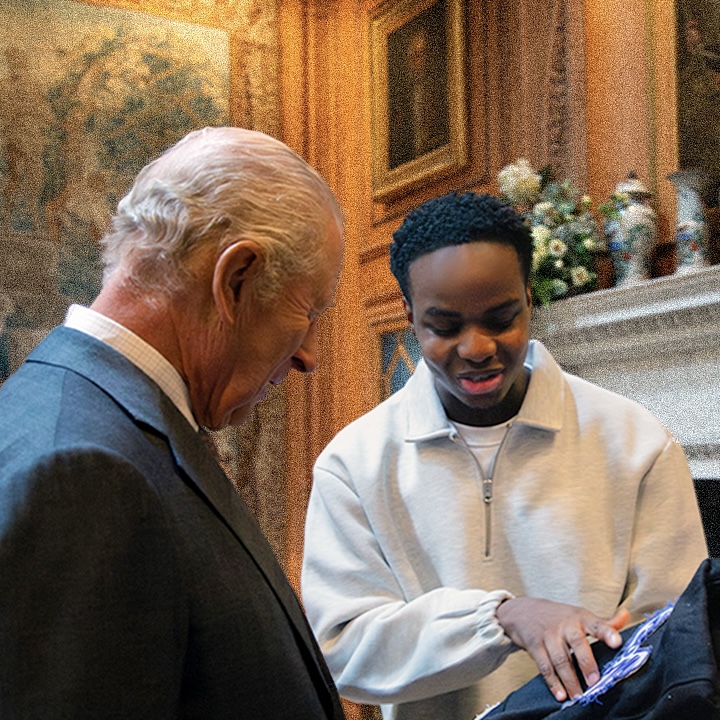
Since then I have been honoured to be recognised by The King’s Foundation’s 35 Under 35 and to contribute one of my LUVV GOD projects to the Royal 100-Year Time Capsule, for which I had the incredible opportunity to meet and present my work to His Majesty The King Charles III. Moments like these remind me how powerful creativity can be when it’s rooted in purpose and faith.
Quiet support that changed everything
I am deeply grateful to be a recipient of the Sam Fitzsimmons Cambridge Bursary. Learning about Sam’s life – his leadership, kindness and joy – was incredibly moving. I also played sport at St John’s and at Varsity level, and knowing that part of his legacy is tied to that community made it even more personal. Even though he is not here, he is still changing lives. Mine included.
The bursary has made a genuine difference in practical and transformative ways. This year, accommodation costs increased significantly, and having financial assistance relieved stress that would have overshadowed everything else. I didn’t have to panic. I could breathe. I could learn.
Beyond supporting my day-to-day living, the bursary helped me move toward my dream. I have always wanted to work at Zaha Hadid Architects, a practice that has shaped contemporary architecture worldwide. To prepare, I needed to learn advanced design software that isn’t taught at Cambridge, and money from the bursary paid for online courses and contributed toward a new computer powerful enough to run the software.
Those months of learning paid off in more ways than one. Firstly, I interviewed and was offered a position at Zaha Hadid Architects – a dream come true. Secondly, the impact of developing those advanced computational design skills extended into my academic work. As I applied the new techniques in my studio projects, they transformed the way I designed and thought about architecture. That growth was reflected in my results: I achieved a Class I grade, was awarded the Davidson Scholarship and became a St John’s Scholar in recognition of my examination performance.
The bursary is woven through my journey – from Glasgow to Cambridge to Zaha Hadid. It didn’t just support me; it positioned me. It opened the path.
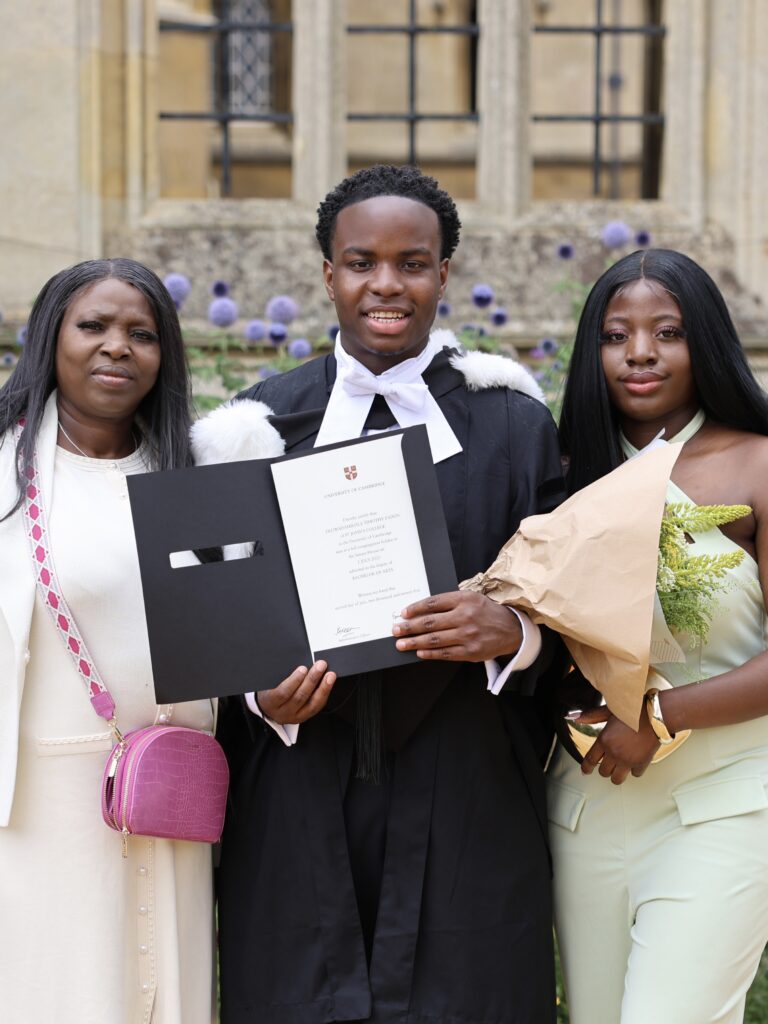
Belonging; still becoming
If there is one theme that runs through this year – through my dissertation, my studio project, my clothing brand, my YouTube channel, my personal growth – it is belonging.
I have learned that belonging begins with being seen – and St John’s truly saw me. The College recognised my potential, supported my growth and gave me the space to become who I am today.
This year has been full of challenge, joy, gratitude and becoming, and I am deeply, sincerely thankful. As I prepare to step into architectural practice, I carry the hope that I can help create spaces where others do not have to ask whether they belong.